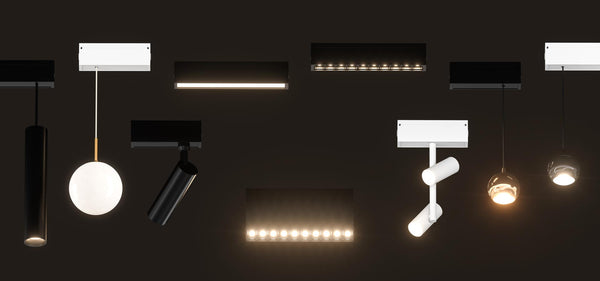
Human Centric Lighting (HCL): Lighting that puts people at the center

We spend about 90% of our time indoors – often under static, artificial light. Light is much more than just a means of visibility. Light has a significant impact on our lives, our vision, and our natural sleep-wake rhythm: it affects us biologically, emotionally and cognitively. HCL – or human-centric lighting – takes this knowledge into account. It places people, with their natural rhythms, needs, and habits, at the center of modern lighting design.
With this guide, we want to give you practical insights into the concept, explain clearly how it works, and show you how you can benefit from it in your home or work environment – whether through improved well-being, greater concentration, or a more pleasant atmosphere.
Key Highlights at a Glance
-
Light acts as a biological pacemaker
By adapting color and brightness to the natural course of the day, the circadian day-night rhythm can be supported – with positive effects on sleep, mood, and energy levels.
-
HCL improves quality of life and productivity
Dynamically controlled light improves concentration during the day, reduces stress levels in the evening, and helps prevent conditions such as fatigue, sleep disorders, or seasonal depression.
-
NOVARAIL offers modern solutions
With modular, smart-controllable LED systems, CRI values up to 97, and maximum compatibility, NOVARAIL provides the technical foundation for future-proof, human-centric lighting design – in both private and commercial settings.
What is Human Centric Lighting?
HCL is a modern lighting concept that places people and their biological, emotional, and cognitive needs at the center. Unlike purely functional lighting, HCL is based on the natural course of the day and the circadian day-night rhythm – our internal clock, which is controlled by light. It significantly influences sleep, hormone balance, mood, and concentration.
The central element of HCL is the dynamic adjustment of light color, color temperature and brightness throughout the day:
- In the morning: Cool, daylight-white light (from 5,300 K) activates the body and mind
- At noon: Neutral-white light (3,500 to 4,500 K) promotes focused work
- In the evening: Warm-white light (2,700 to 3,000 K) calms and supports melatonin production
Why Human Centric Lighting is the future of lighting design
The goal of modern lighting design is to integrate light as an active design element into the architectural and emotional concept of a space. Light becomes the silent pacemaker of everyday life, adapting dynamically to the time of day, the function of the space, and individual requirements. Crucially, this involves taking the natural course of daylight into account, which can be specifically simulated with artificial light – for example, by transitioning from daylight-white light in the morning to warm-white lighting in the evening. Complemented by intelligent lighting control and sensors, the lighting can be automatically adapted to usage patterns, the proportion of daylight, and the individual biorhythm.
Light color, color temperature, and spectrum: The basics for a healthy lighting effect
The right lighting effect in a room is based on a precise interplay of color temperature, light color, and light spectrum. These terms are often used synonymously in everyday life, but they describe different aspects of the lighting effect – each with its own relevance for well-being, concentration, and atmosphere.
- Color temperature (measured in Kelvin, K) describes the color effect of white light – from warm-reddish to neutral and on to cool-bluish.
- Light color is a more subjective impression that also includes nuances such as color tones (e.g., yellow components in warm white).
- The light spectrum refers to the distribution of individual wavelengths in light – and influences how our body reacts biologically to light.
The following overview shows the effect of different color temperatures in interior spaces:
|
Color temperature (K) |
Light color |
Perceived effect |
|
1,800 to 2,700 K |
very warm white |
relaxing, cozy, calming |
|
2,700 to 3,300 K |
warm white |
homely, familiar, comfortable |
|
3,300 to 5,300 K |
neutral white |
clear, objective, concentration-promoting |
|
5,300 to 6,500 K |
daylight white |
activating, awakening, high-performance |
However, not only the light color itself, but also its intensity and spectral composition should be adapted to the time of day – for example through dimmable systems or automatic lighting sequences. This creates a lighting environment that takes individual requirements into account and supports performance.
Why CRI and illuminance are crucial in HCL
Another central aspect of Human Centric Lighting is light quality, particularly with regard to illuminance and the CRI value (Color Rendering Index). The CRI describes how authentically colors are rendered under artificial light. The higher this value – up to a maximum of 100 –, the more realistic surfaces, materials, and color tones appear. NOVARAIL luminaires achieve top values of up to 97 and thus guarantee exceptionally true-to-life color rendering – ideal for rooms with design ambitions. In combination with the right light intensity, HCL thus becomes an integral part of future-oriented space design that promotes well-being, comfort, productivity, and atmosphere equally.
HCL benefits at a glance
HCL is much more than a trend – it is a holistic lighting concept with measurable added value for health, well-being, and productivity. The dynamic adjustment of light color and brightness to the course of the day has a positive effect on several levels:
- Stable biorhythm: HCL regulates the day-night rhythm by specifically controlling melatonin and cortisol – for better sleep, more energy, and more balanced well-being.
- Improved concentration: Daylight-white light in the morning improves cognitive performance and reduces fatigue – ideal for the office, school, or home office.
- Mental well-being: Warm-white light in the evening relaxes and lowers stress levels – especially in combination with atmospheric accent lighting.
- Prevention: Ideal in cases of light deficiency, e.g. in indoor spaces or care facilities – helps prevent sleep problems and seasonal depression.
- Highest light quality with low consumption: NOVARAIL lighting combines CRI values up to 97 with efficient LED technology – for sustainable lighting solutions with style.
-
Greater quality of life: Thoughtful planning based on HCL principles improves health, mood, and performance in the long term – both privately and professionally.
Where is HCL used?
Human Centric Lighting develops its effect everywhere where people are active or relax for extended periods and where light is intended to do more than provide mere brightness. Crucially, this involves adapting to the natural course of daylight to optimally align spaces with the human biorhythm.
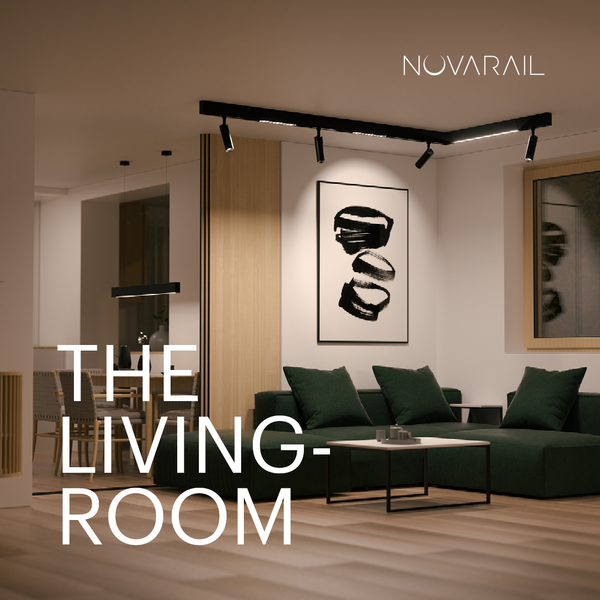
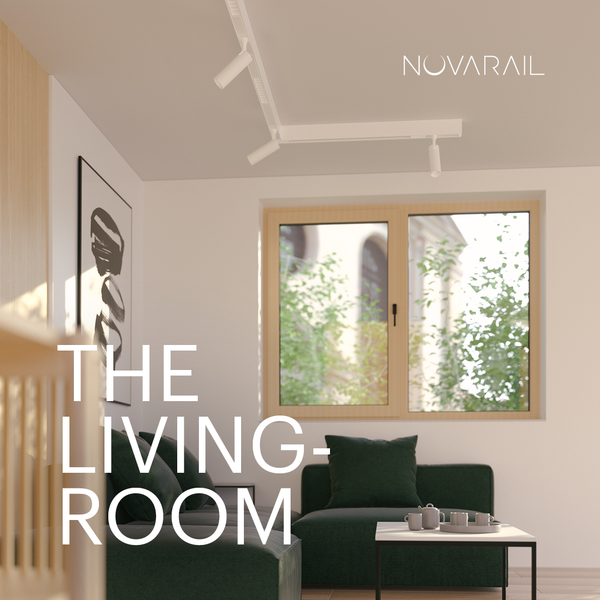
In the private home, HCL improves quality of life in the living room, kitchen, home office, or bedroom – where mood, relaxation, and activity are equally important. By adapting light color and intensity to the time of day, HCL supports waking up in the morning, focused work at noon, and relaxation in the evening. Especially in the bedroom, warm-white lighting with a low color temperature (approx. 2,700 K) can promote melatonin production and improve sleep quality.
Educational institutions, classrooms, and libraries benefit from lighting solutions that follow the course of daylight, thereby improving concentration and the ability to learn.
In healthcare (waiting areas, patient rooms, or therapy rooms), daylight lighting becomes an important element for well-being, stress reduction, and recovery. Studies show that biologically effective light promotes regeneration and is essential, especially for older or bedridden people who receive little daylight.
Offices and coworking spaces benefit particularly from dynamically controlled lighting that is based on the course of daylight: it improves focus, reduces fatigue, and adapts flexibly to different work phases.
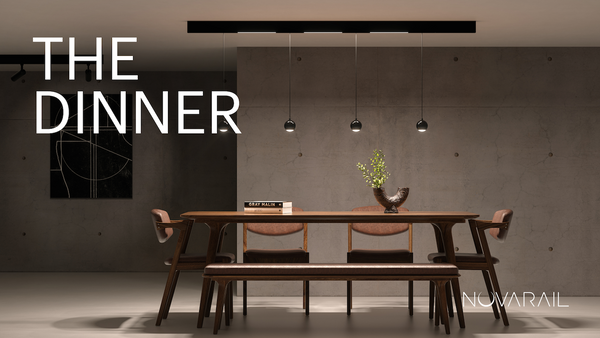
In retail and gastronomy, lighting concepts that follow the natural course of light create atmosphere and improve the quality of the stay as well as the shopping experience.
Ergonomic and therapeutic perspectives:
Human Centric Lighting for health and quality of life
Human Centric Lighting (HCL) offers much more than visual orientation: it is increasingly being used as a therapeutic and ergonomic tool to specifically use light to support health, well-being, and performance.
Therapeutic applications
In medicine, HCL is specifically used to treat sleep disorders, seasonal depression (SAD), and disorientation in dementia, because the circadian rhythm reacts sensitively to lighting. By coordinating color temperatures and light intensities along the course of the day, melatonin and cortisol production can be specifically influenced – with positive effects on sleep, mood, and activity. Light therapies with a high blue component in the morning or warm light in the evening not only improve cognitive performance but also alleviate psychological symptoms.
Ergonomic aspects
In everyday life as well (home office, schools, or at work), HCL ensures improved visual ergonomics. A glare-free, even light distribution protects the eyes (UGR index), reduces visual strain, and helps prevent fatigue, headaches, or irritation. Crucially, this involves not only the correct placement of the lighting, but also the coordinated combination of direct and indirect lighting – each adapted to the use of the space, the time of day, and the visual task. By specifically controlling light sources and directions, individual lighting zones can be created, for example at workstations, in care rooms, or therapy rooms. This makes the lighting not only functional, but also emotionally and physically supportive.
Human Centric Lighting in practice:
NOVARAIL as a strong partner
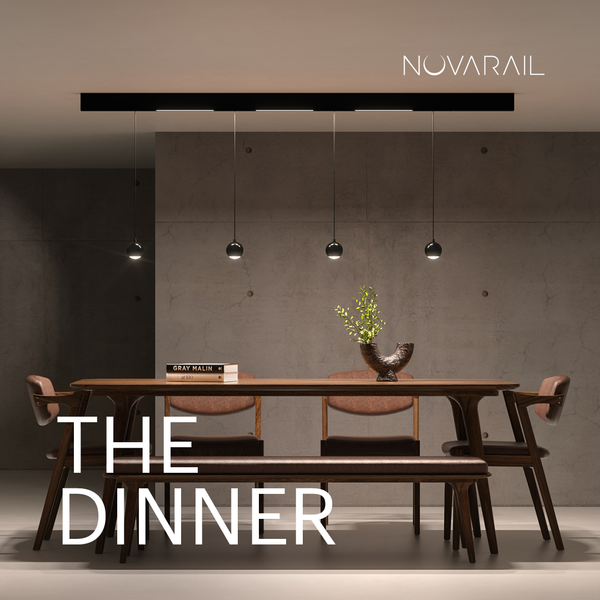
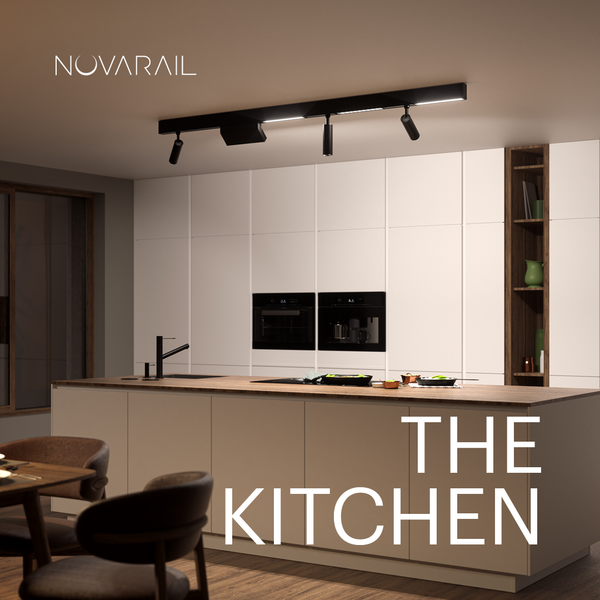
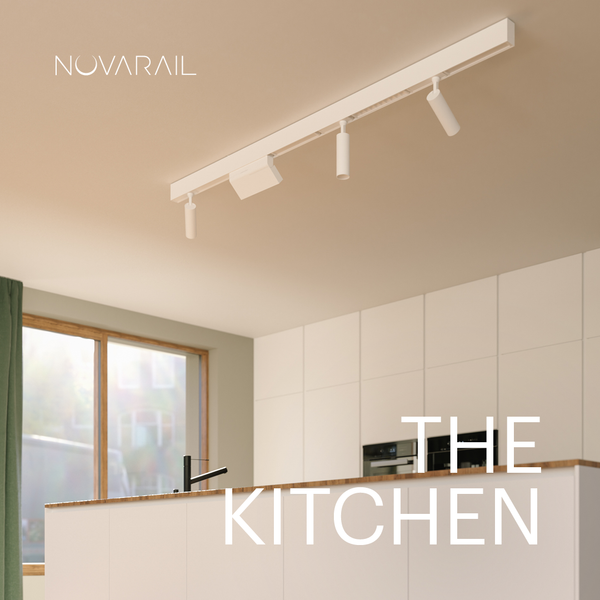
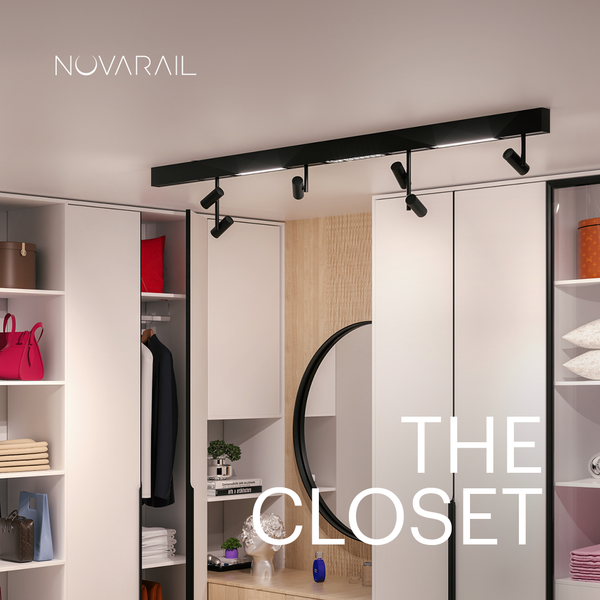
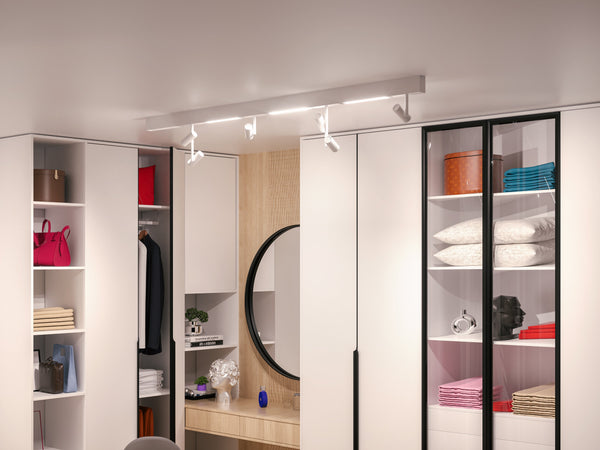
NOVARAIL offers modern LED systems that make Human Centric Lighting suitable for everyday use. The luminaires are dynamically dimmable, color temperature-controlled, and achieve a CRI of up to 97. Thanks to app control, voice compatibility (e.g. Alexa), and integration into DALI, Zigbee, and Bluetooth, lighting moods can be flexibly adapted to the time of day, space zones, and usage.
For the private area, NOVARAIL offers preconfigured sets or individually configurable lighting solutions for maximum flexibility at home. Businesses benefit from the powerful Professional Series or tailored advice and planning – also in direct cooperation with architects.
Sources used
- ZVEI. (2018). Human Centric Lighting – Light for people. zvei.org
- Houser KW and Esposito T (2021) Human Centric Lighting: Foundational Considerations and a Five-Step Design Process. Front. Neurol. 12:630553. doi: 10.3389/fneur.2021.630553
- J. Lin et al., "Human-Centric and Integrative Lighting Asset Management in Public Libraries: Qualitative Insights and Challenges From a Swedish Field Study," in IEEE Access, vol. 12, pp. 40905-40921, 2024, doi: 10.1109/ACCESS.2024.3377135.
- Sobol, M., Hebda, O., Rybski, Ł. (2024). Human centric lighting luminaires: practical design. Technical Transactions, e2024002. https://doi.org/10.37705/TechTrans/e2024002
- MADIAS, Evangelos-Nikolaos D., et al. Τhe effect of artificial lighting on both biophilic and human-centric design. Journal of Building Engineering, 2023, 76. Jg., S. 107292.